Konstanz
Germany
A lake city where the border barely matters.
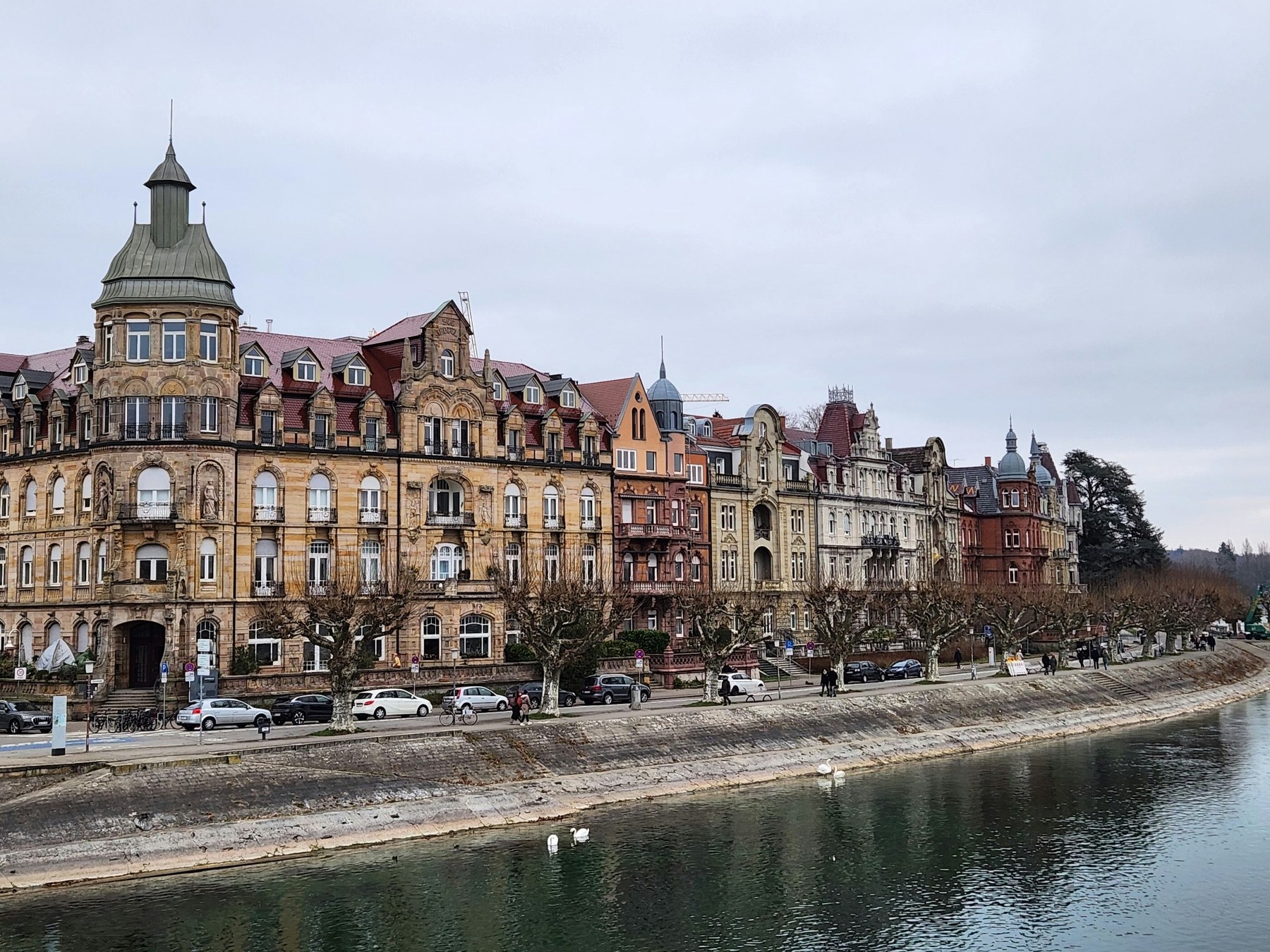
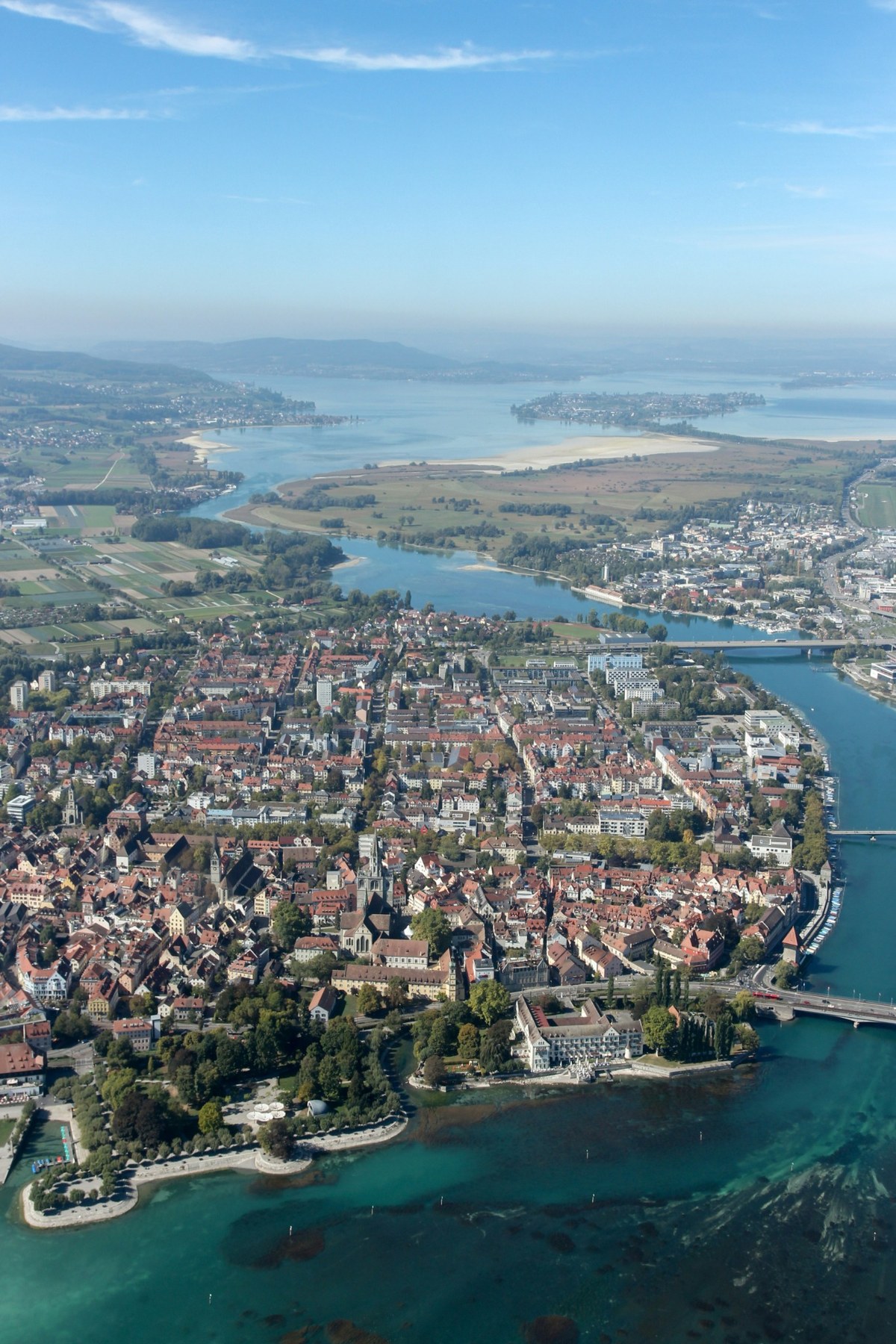
Konstanz works because the medieval centre, harbour and lake are close enough that you never really have to choose between them. Wander through Niederburg in the morning and you can be beside the water a few minutes later.
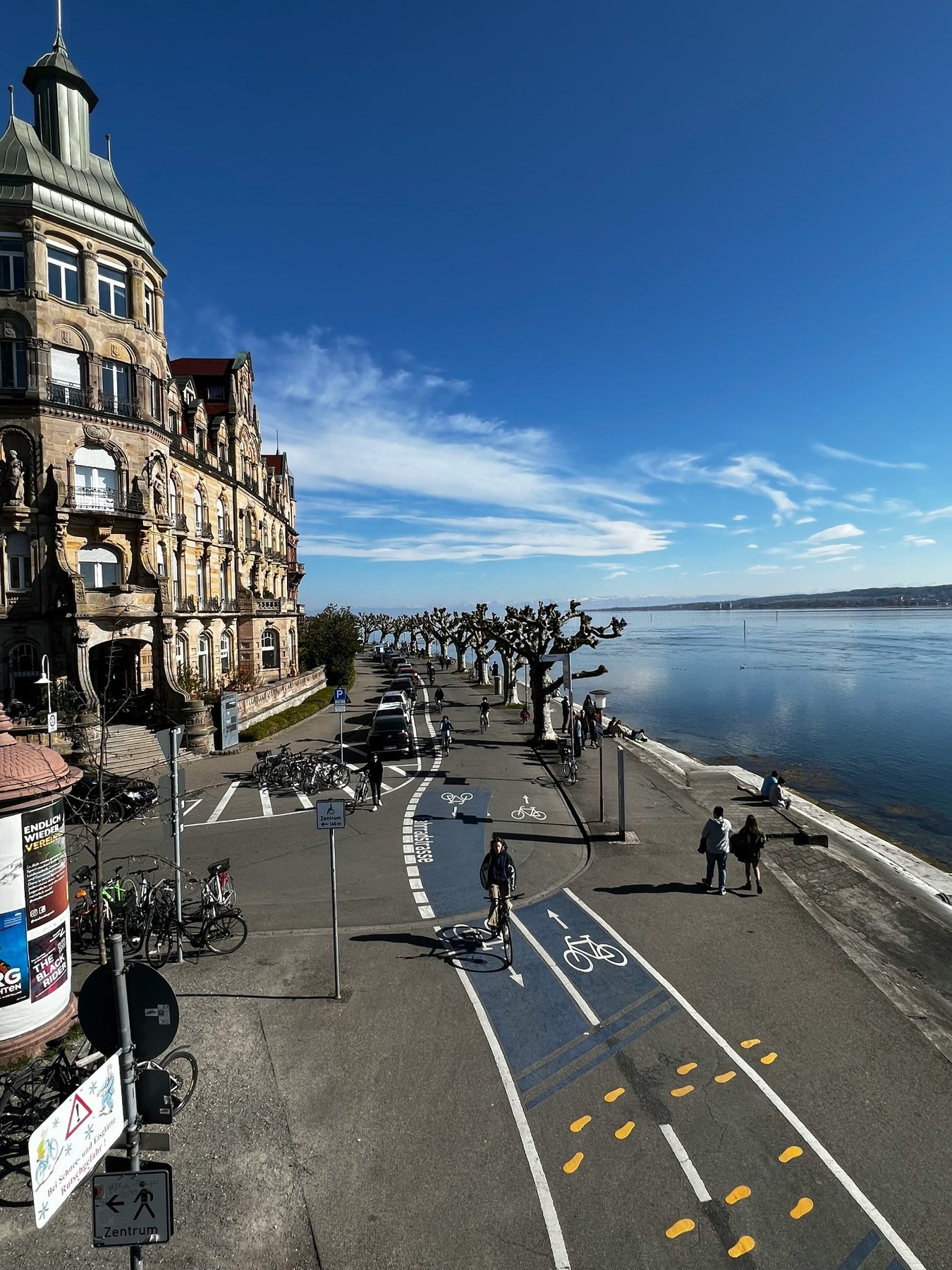
The Swiss border is simply part of everyday geography here — you can almost accidentally walk into Kreuzlingen — while Lake Constance gives the trip much more breathing room than a conventional historic-city break. Don't treat the lake as scenery behind the old town. It's part of the reason to come.
4 days is ideal for Konstanz.
Art & Architecture
The important buildings don't always look important
Konstanz was significant long before it became somewhere people came for the lake. A Roman fort stood on what is now the Münsterhügel. The settlement became an episcopal seat that lasted for more than a thousand years, while its position on major trade routes helped make medieval Konstanz wealthy enough to deal in linen, furs and spices across Europe. You don't experience that history as a procession of enormous monuments. A cathedral rises from the oldest part of the city. A medieval warehouse sits beside the harbour. Narrow streets around Niederburg preserve a much smaller scale. The pieces are close together, but they tell very different stories about what Konstanz once did.
In Konstanz, use matters. Look at what a building was for before deciding how important it is.
Don't missGive the Münster, Niederburg and Konzil different kinds of attention. They represent religious, residential and commercial Konstanz rather than three entries on the same sightseeing list.
Wendelse tipDon't spend the whole visit facing the lake. Some of the city's most revealing architecture is immediately behind you.
Must see
Konstanz Münster and the Münsterhügel
Start with the ground before the cathedral.
The Münster stands on the hill where the Roman fortified settlement developed, and the site remained central as Konstanz became an episcopal city in the early Middle Ages.
That long continuity matters more than trying to assign the building to one architectural period. The Münster changed repeatedly. Its fabric records centuries of rebuilding, enlargement and alteration rather than one clean medieval campaign. Walk around it before going inside. The surrounding streets make the scale more useful. A large ecclesiastical building rises from a relatively compact urban fabric rather than occupying an enormous ceremonial precinct. Then look beyond the church itself. This was not simply a parish landmark. For centuries, the religious importance of Konstanz helped give this part of the city a significance far beyond its physical size.
Look for: The difference between the monumental scale of the Münster and the streets immediately around it.
Niederburg
Niederburg doesn't need a single headline building.
That's why it belongs here.
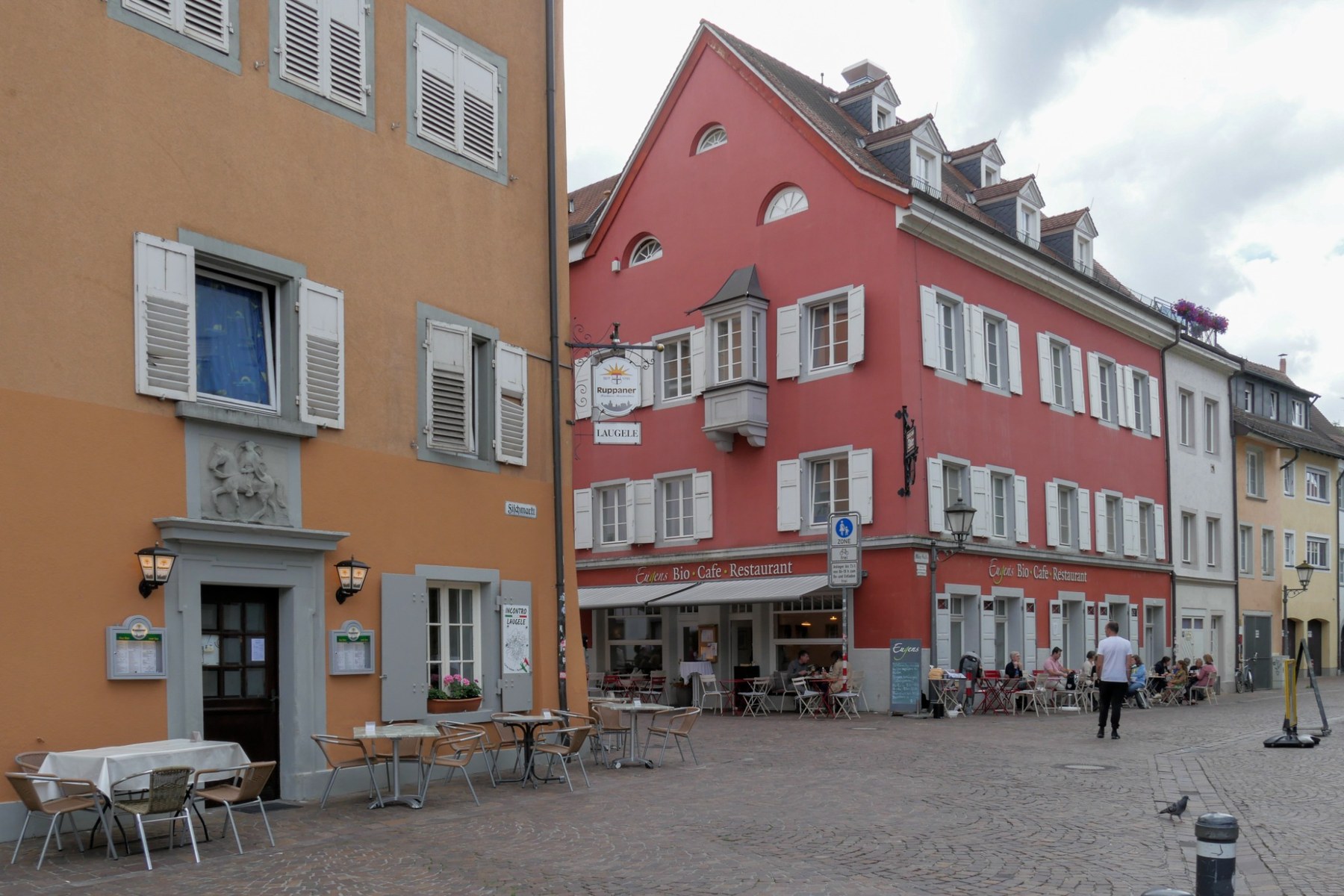
The district immediately north of the Münster preserves a tighter network of lanes and houses at a much more domestic scale. After the vertical emphasis of the cathedral, the change is immediate. Walk slowly enough to notice width. Streets bend. Buildings come close. Views terminate quickly rather than opening into large formal spaces. Monumental buildings can make historic cities look as though they were organised around monuments. Niederburg corrects that impression. Niederburg gives you the opposite impression: an old city made largely from ordinary buildings and narrow routes, with the great church embedded inside it. Don't search for the perfect façade. Notice the fabric.
Konzil and the harbour
The building everybody calls the Konzil wasn't built for the Council of Constance.
That is what makes it interesting.
Konstanz constructed it between 1388 and 1391 as a warehouse and transshipment building for trade with Italy, at a time when the city was at the height of its economic and political power. Then history borrowed it. During the Council of Constance, Cardinal Oddone Colonna was elected Pope Martin V in its upper hall in 1417. Stand outside before turning the story into papal history. The building is large, direct and comparatively unceremonious because its original purpose was commercial. Its historical fame came afterwards.
Look for: How little the exterior tries to tell you that one of medieval Europe's major political-religious events happened inside.
Details to notice
The building that wasn't built for the Council
Konstanz gives you a useful warning about historic buildings.
Their most famous event may not explain their architecture. The Konzil is remembered because Pope Martin V was elected there in 1417. But the building had already been standing for more than two decades. It was a warehouse.
That changes how you should look at it. Its scale belongs to Konstanz's commercial importance. Its position belongs to trade. The huge structure made sense before cardinals ever entered the upper hall. Then an extraordinary event gave an ordinary building type an extraordinary biography. That's worth carrying back into the rest of Konstanz. Don't ask only what happened in a building. Ask what the city originally needed the building to do.
Look closer
The harbour is younger than the building beside it
The Konzil looks so naturally attached to Konstanz's waterfront that it's easy to read building and harbour as one historic composition.
They aren't. The medieval warehouse predates the modern harbour landscape around it by centuries.
Instead of one preserved medieval scene, you're looking at successive versions of Konstanz's relationship with trade, transport and the lake occupying the same edge of the city. Step back far enough to see the Konzil as part of that larger waterfront rather than as an isolated medieval object.
Monumental Konstanz is surrounded by ordinary Konstanz
The Münster and Konzil carry enormous historical associations.
The streets between and around them often don't. Pay attention to that contrast.
A few minutes can take you from a cathedral associated with centuries of episcopal power to narrow residential streets, then to a former commercial warehouse that became the setting for a papal election. The city doesn't separate those stories architecturally.
Why Wendelse likes it
The Münster and Niederburg
The oldest part of the city, best taken slowly and without a route. The tower view is worth it if it is open when you pass.
Harbour, Konzil and Imperia
Where the water changes the scale of the city entirely. Worth returning to at a different time of day.
Get onto the lake
Take a short boat somewhere rather than trying to "do" Lake Constance. An hour on the water reframes the whole trip.
Mainau
Only if gardens genuinely appeal. It is a real half-day, not an add-on.
Kreuzlingen and the border
Ordinary geography rather than an attraction. Walk across, have a coffee, walk back.
Lake food and Baden wine
Lake fish, Reichenau and Höri produce, and a glass of local wine beside the water are the food story here.
Birmingham · 6–9 November · 4 days
A suggested shape for your days.
Built around your dates and what you said you're in the mood for. The journey itself isn't checked until you choose dates in Results.
Friday · 6 November
Arrive & settle in
Arrival day
- Afternoon
- Arrive and check in.
- Münster and Niederburg — The oldest quarter of the city, taken slowly and without a fixed route.
- Walk across to Kreuzlingen — The border as ordinary geography: cross it, have a coffee, walk back.
Nothing else planned. That's deliberate.
Saturday · 7 November
Your big exploring day
Weekend
- Afternoon
- Harbour, Konzil and Imperia — Where the water changes the scale of the city — worth seeing at more than one time of day.
- A short trip on Lake Constance — An hour or two on the water rather than an attempt to see the whole lake.
Leave gaps between plans — nothing here needs rushing.
Sunday · 8 November
Take Konstanz at your own pace
Weekend
- Morning
- Mainau island gardens — A genuine half-day, worth it only if gardens really appeal to you.
- Evening
- Lake fish and Baden wine — Bodensee fish and local wine, eaten beside the water rather than inland.
Nothing else planned. That's deliberate.
Monday · 9 November
One last morning
Departure day
- Morning
- Breakfast, then a last walk through town.
- Afternoon
- Lunch, then the journey home.
Leave gaps between plans — nothing here needs rushing.
Prototype itinerary. Activity availability is illustrative, not live opening hours.
Getting there
Choose your dates and we'll check real flights and the journey from Birmingham.
Check a journey for your dates →Traveller fit
Is Konstanz your kind of place?
- Food
- ★★★★☆4 out of 5
- History
- ★★★★☆4 out of 5
- Architecture
- ★★★★☆4 out of 5
- Walkability
- ★★★★★5 out of 5
- Outdoors
- ★★★★★5 out of 5
- Atmosphere
- ★★★★☆4 out of 5
Things worth doing
A first day that works
Münster and Niederburg, then the old town, then the harbour and Imperia, ending beside the lake.
If you have a second day
Make it a water day if the weather is good: a boat, the lakefront, or a cycle along the shore — or Mainau if the gardens appeal.
Extra time
A longer cycle, another short boat, a casual wander into Kreuzlingen, or simply sitting by the lake.
Wendelse tip
The water changes the scale of the city. Make sure part of the trip happens on it, not only beside it.
Where to stay
Stay in or near the Altstadt
Best for lake access and evenings on foot
The medieval centre, harbour and lakefront are all within a few minutes of each other.
Ready to make it a trip?
Konstanz
4 days · Outdoors · History · Walkable · Culture
Prototype placeholders — nothing is connected to a booking service yet.